Phone:
(701)814-6992
Physical address:
6296 Donnelly Plaza
Ratkeville, Bahamas.

Phone:
(701)814-6992
Physical address:
6296 Donnelly Plaza
Ratkeville, Bahamas.
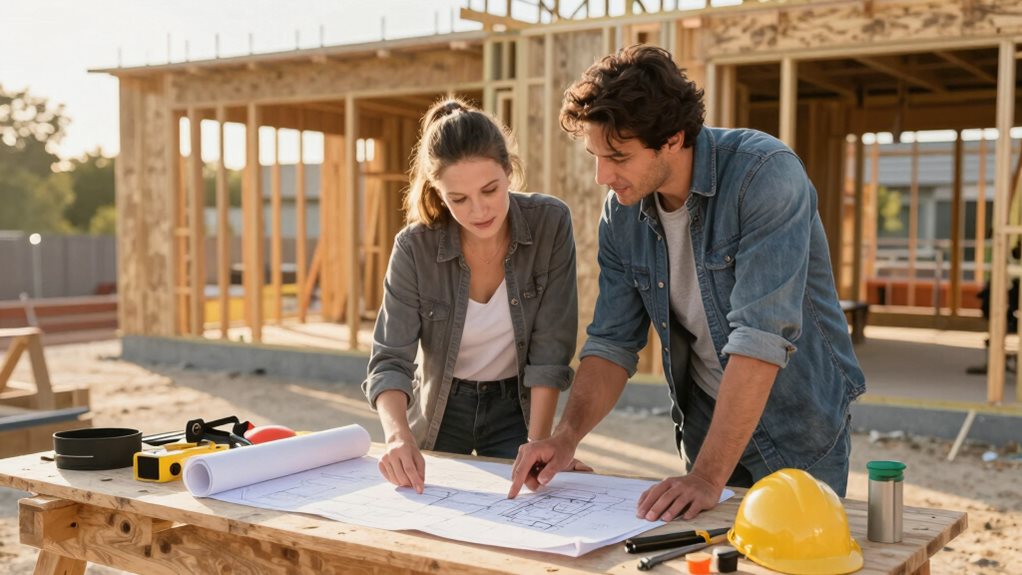
Unsure about hiring extension builders? These 7 critical questions will save you from costly mistakes and construction nightmares.
Before hiring extension builders, ask about their experience with similar projects, request client references, and inquire about planning permission processes. Discuss their project timeline, communication strategy, and how they handle mid-project changes. Understand their payment structure—look for milestone-based payments rather than large upfront deposits. Don’t forget to clarify warranty coverage for both structural elements and workmanship. These seven questions will help you separate quality professionals from potentially problematic contractors.

When interviewing potential extension builders, the first and perhaps most revealing question you should ask is about their experience with projects similar to yours. A builder who’s completed extensions like the one you’re planning will have invaluable insights into potential project challenges and practical solutions.
Ask to see their portfolio of completed work and request references from clients with similar projects.
Discuss your design preferences in detail and observe how they respond. Experienced builders will ask thoughtful questions about your lifestyle needs and aesthetic vision, as well as structural requirements. They’ll highlight potential complications specific to your type of extension, whether it’s a kitchen expansion, second-story addition, or sunroom. Additionally, inquire about their ability to navigate planning permission requirements, as this can significantly impact the timeline and feasibility of your project.
Beyond examining a builder’s portfolio, requesting references from recent extension projects offers you invaluable real-world feedback.
Ask for at least three client testimonials from homeowners whose projects were completed within the past year. These references can reveal essential insights about the builder’s reliability, communication style, and how they handle unexpected challenges during construction.
When contacting references, inquire about their overall satisfaction, whether the project finished on time and within budget, and if they’d hire the builder again.
Don’t hesitate to ask specific questions about project examples that match your planned extension’s scope and complexity. Quality builders maintain relationships with satisfied clients and will gladly connect you with them.
Understanding how a builder steers through the complex maze of planning permissions and building regulations can make or break your extension project.
Reputable contractors will clearly explain their approach to regulation compliance and won’t leave these vital responsibilities solely in your hands.
Ask specifically about their experience with local planning processes in your area. Quality builders typically have established relationships with local authorities and understand common requirements for your neighborhood.
They should outline who’ll prepare the necessary documentation, how they’ll address potential objections, and their contingency plans if permissions aren’t granted as expected.
You’ll want to verify they’re familiar with current building regulations that affect your specific project type.
A builder who confidently discusses these aspects demonstrates professionalism and can help you avoid costly delays or modifications once construction has begun.
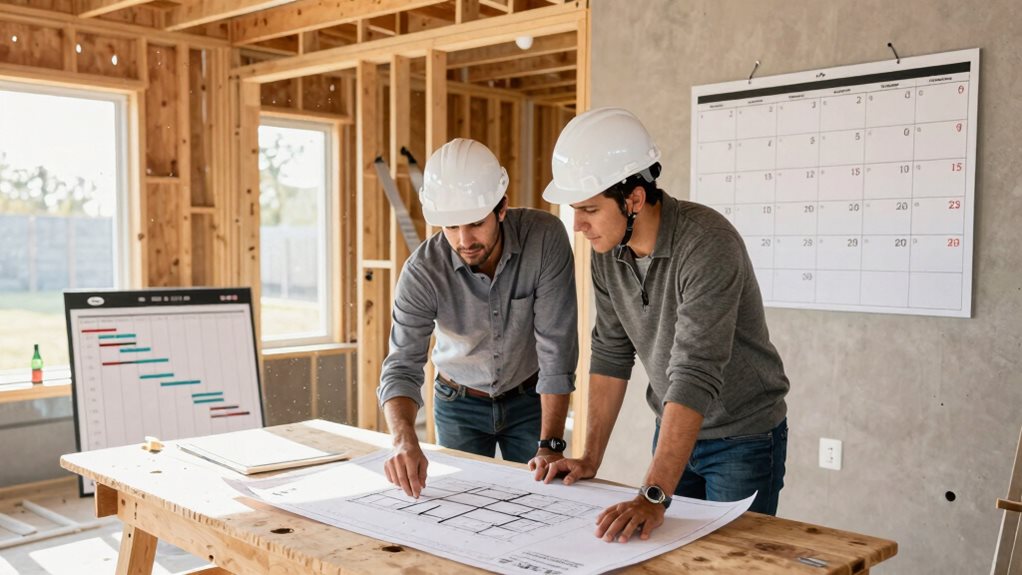
Precisely how long your extension project will take represents one of the most crucial questions you’ll need answered before committing to a builder.
Reputable contractors should provide a thorough breakdown of project milestones and phases, from initial demolition to final inspections.
A detailed timeline outlining every construction phase speaks volumes about a contractor’s organization and commitment to your project.
Ask for specific timeframes and how they handle potential delays due to weather, material shortages, or unexpected structural issues. Understanding their approach to completion deadlines will reveal their professionalism and reliability.
Don’t accept vague estimates—request detailed schedules that outline each construction phase.
Remember that the cheapest quote often comes with the longest timeline. Balancing cost against time efficiency requires careful consideration, especially if you’ll need temporary accommodation during construction or have inflexible deadlines for moving back in.
Understanding your builder’s communication strategy prevents misunderstandings and keeps your extension project on track.
You’ll want to establish how often you’ll receive updates and through which channels (email, phone calls, or in-person meetings) they’ll share progress photos and construction milestones.
Ask specifically about their change order protocol, including how they document modifications, calculate additional costs, and integrate changes without disrupting the established timeline.
How often will your builder provide updates on your extension project? Establish a clear schedule for communications to avoid frustration and misunderstandings down the line. Request weekly updates at minimum, with additional check-ins during critical construction phases.
Discuss which communication tools will work best for both parties. Some builders use project management apps that allow you to track progress in real time, while others prefer regular email updates or scheduled phone calls. Determine the update frequency that meets your needs without overwhelming the builder’s workflow.
Get specifics about emergency communications too—how quickly can you expect responses to urgent questions? A builder who outlines their communication protocol demonstrates professionalism and gives you confidence that you’ll never be left wondering about your project’s status.
What happens when you suddenly decide you’d like different fixtures or discover an unforeseen issue requires additional work? You’ll need to understand your builder’s change order process before construction begins.
Ask potential builders to explain their protocol for handling mid-project modifications. How are changes documented and approved? Request to see sample change order forms to understand what information they capture.
Inquire about timeline impacts—even minor alterations can affect completion dates. Most importantly, discuss cost implications. How are change-related expenses calculated?
Do they charge flat fees for processing changes regardless of size? Will you receive detailed breakdowns of additional materials and labor costs? Some builders build small contingencies into contracts, while others charge for every modification.
Establishing these protocols upfront prevents misunderstandings when inevitable changes arise during your extension project.
Beyond the change order process itself, effective communication forms the backbone of a successful extension project. Ask your builder about their documentation clarity—how they’ll record decisions, specifications, and timeline adjustments throughout construction.
Will they provide written summaries after meetings? Request details about update frequency: daily updates might overwhelm you, while monthly reports could leave you in the dark for too long. Weekly progress reports with photos often strike the right balance.
Consider asking: “How will you document our conversations and decisions?” and “What’s your typical communication schedule?”
Some builders use project management software that grants you 24/7 access to timelines and photos, while others prefer scheduled site visits with formal updates. Whatever their approach, verify it matches your information needs before signing any contract.
Understanding the warranties and guarantees offered by your extension builder provides essential protection for your investment.
You’ll want to clarify whether their coverage distinguishes between structural elements (foundations, load-bearing walls) and general workmanship (finishes, fixtures).
Additionally, confirm the length of warranty periods for different aspects of the work, as these typically range from one year for minor issues to ten years for major structural components.
When evaluating warranties from extension builders, you’ll need to distinguish between structural and workmanship coverage.
Structural warranties typically cover foundation, load-bearing walls, and other crucial elements for 10-25 years, while workmanship guarantees address quality issues like painting, trim work, and fixtures for 1-2 years. These coverage differences greatly impact your long-term protection.
Ask builders to clearly explain their claim processes for both warranty types.
How quickly will they respond to structural concerns versus cosmetic defects? Who handles the repairs—the original builder or a third party? What documentation will you need to submit?
Understanding these distinctions helps you assess the true value of a builder’s warranty package and guarantees you’re not left with unexpected repair costs after your extension is completed.
How long will your extension builder stand behind their work? Standard warranty periods typically range from one to ten years, but the coverage details matter as much as the timeframe.
Ask your builder to explain the different warranty types they offer and how they handle warranty claims if issues arise after project completion.
Quality builders often provide tiered warranties—longer coverage for structural elements (5-10 years) and shorter terms for fixtures and finishes (1-2 years).
Don’t just accept the builder’s verbal assurance; request written documentation of all warranty terms and conditions.
This paperwork should clearly outline the claim process, response timeframes, and any homeowner maintenance requirements that could void coverage.
The payment structure for your extension project deserves careful attention before you sign any contracts. Most reputable builders operate on a milestone-based system, where you’ll make payments after specific stages are completed to your satisfaction.
Ask whether they require a deposit (typically 10-20%), and how the remaining balance is divided across payment milestones such as foundation completion, wall construction, and final inspection.
Don’t hesitate to discuss funding options with potential builders, as some may offer flexibility for homeowners using construction loans or home equity financing.
Request a detailed payment schedule in writing that clearly outlines when payments are due and what triggers each milestone payment. This transparency protects both parties and guarantees you won’t face unexpected financial demands midway through your extension project.
By asking these seven crucial questions, you’ll greatly improve your chances of finding a trustworthy extension builder. Curiously, homeowners who thoroughly vet contractors are 73% less likely to experience project delays or budget overruns. Take your time during this selection process—it’s a decision that affects not only your property’s value but your family’s daily comfort for years to come. Your due diligence today prevents headaches tomorrow.