Phone:
(701)814-6992
Physical address:
6296 Donnelly Plaza
Ratkeville, Bahamas.

Phone:
(701)814-6992
Physical address:
6296 Donnelly Plaza
Ratkeville, Bahamas.
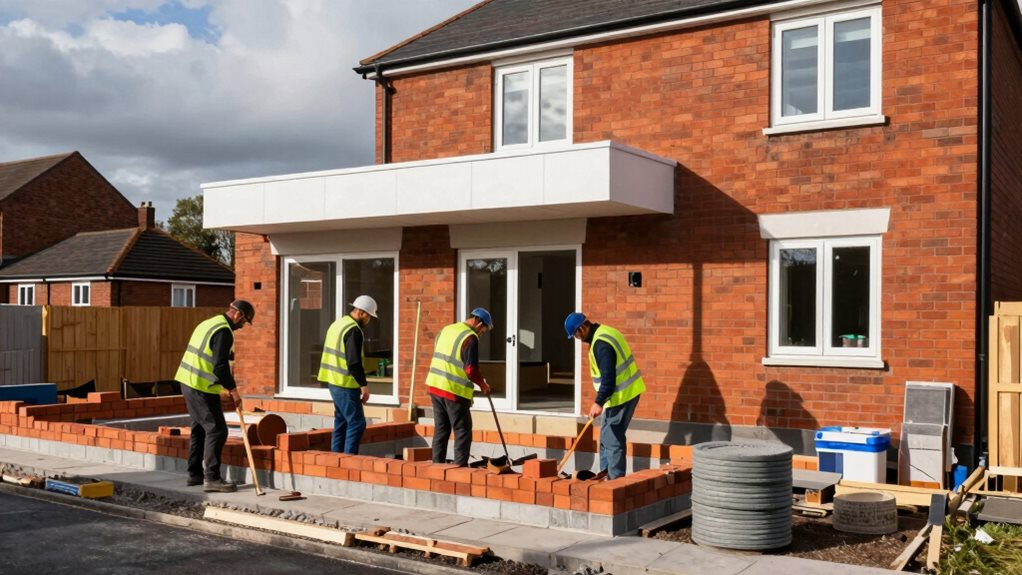
Top Manchester extensions typically cost £30,000-£70,000, but what hidden challenges could derail your renovation project?
Building a single-storey extension in Manchester costs between £30,000-£70,000, with planning approval taking 8-12 weeks. You’ll need to steer through unique challenges for Victorian terraces and properties in conservation areas, where stricter regulations apply. Winter construction typically extends timelines by 15-20%. Establish a 10-15% contingency fund for unexpected issues, and thoroughly vet local contractors with verifiable credentials. The following insights will equip you to avoid common pitfalls while maximizing your investment.
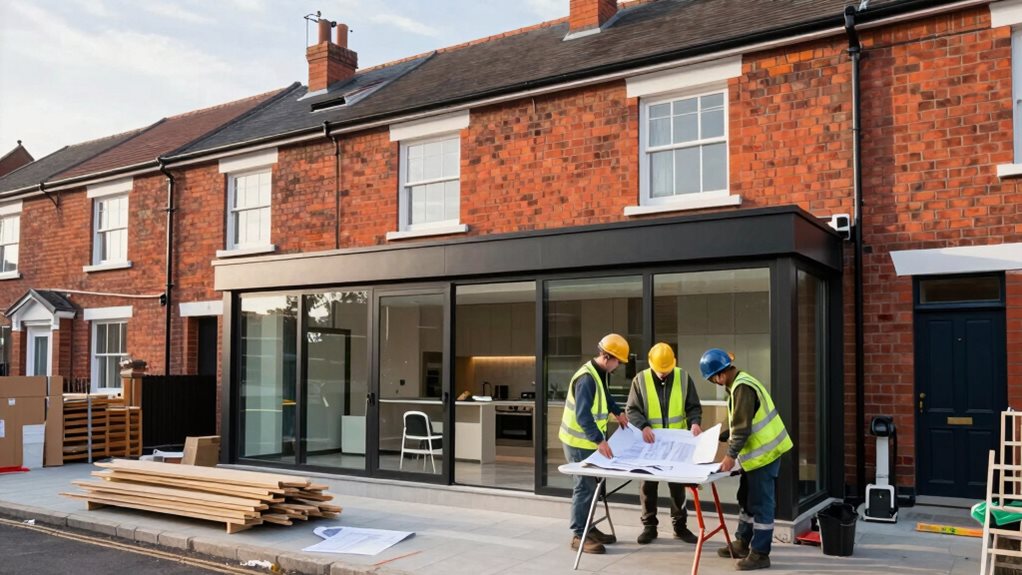
While Manchester boasts a rich tapestry of architectural styles, understanding your specific property type is crucial before commencing any extension project. The city features Victorian terraces in areas like Chorlton, semi-detached 1930s homes throughout Didsbury, and modern developments in Salford Quays—each presenting unique extension opportunities and challenges.
You’ll need to reflect on how your planned extension aligns with local property styles and neighborhood trends. In conservation areas like Castlefield, stricter planning regulations may limit your options, while newer developments might’ve covenants affecting what you can build. Additionally, it’s important to consider comprehensive home improvement options that can maximize the value and functionality of your space.
Before hiring builders, research neighboring extensions to understand what’s typically approved in your area. This preliminary homework saves time and money by preventing plans that conflict with Manchester’s varied architectural heritage or current building regulations.
Understanding your property’s constraints naturally leads to the next consideration: maneuvering Manchester’s planning permission environment. Many single-storey extensions fall under permitted development rights, potentially eliminating the need for formal planning applications, but don’t assume this applies to your project.
Planning permission requirements in Manchester vary—what’s “permitted development” for one property may require full approval for yours.
Manchester’s local guidelines include specific restrictions on extension height (typically limited to 4 meters), proximity to boundaries, and materials used. If your property is listed or within a conservation area, you’ll face additional scrutiny.
Even when formal permission isn’t required, you’ll still need Building Regulations approval for structural integrity.
You should consult Manchester City Council’s planning portal or arrange a pre-application meeting with a planning officer. This upfront investment can save you thousands by preventing rejected applications or costly modifications later in your extension undertaking.
Beyond planning permission, your Manchester extension must adhere to strict building regulations that guarantee safety, energy efficiency, and structural integrity throughout the construction process.
You’ll need to maneuver compliance checks that verify everything from foundations to ventilation meets current standards.
Manchester’s local factors—including soil conditions, proximity to neighboring properties, and historical conservation areas—can greatly impact regulatory requirements.
Experienced builders will be familiar with recent regulatory updates specific to the Greater Manchester region, potentially saving you from costly modifications later.
Remember that building control officers will inspect your extension at various stages, so maintaining proper documentation is essential.
Don’t underestimate the importance of complying with Part L energy efficiency standards—a common pitfall for homeowners.
Working with professionals who understand Manchester’s unique compliance environment ultimately guarantees your extension passes final inspection without complications.
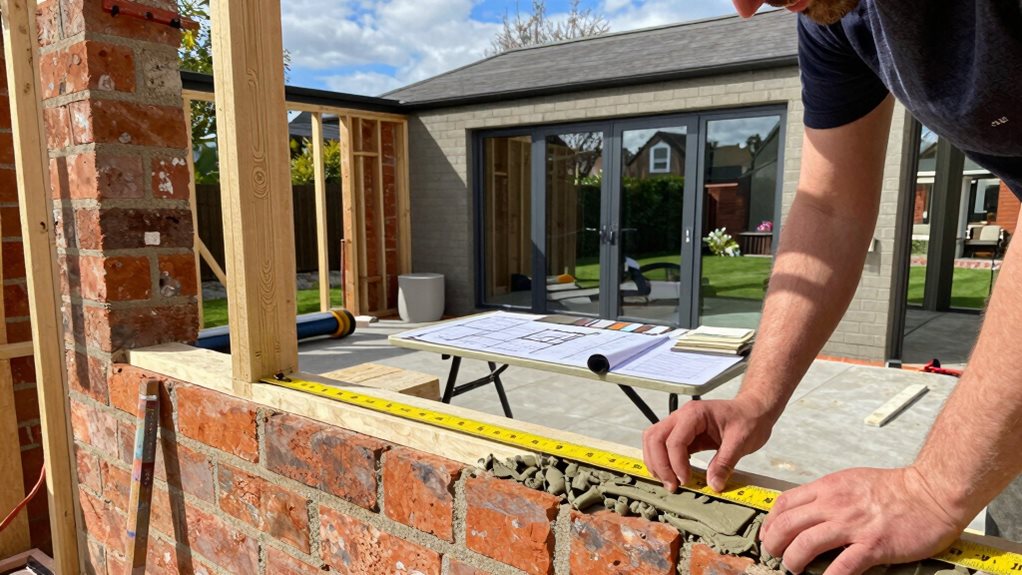
When searching for single storey extension builders in Manchester, you’ll want to prioritize contractors with verifiable local credentials and a strong portfolio of completed projects in your specific area.
You should gather and compare at least three detailed quotes, examining not only the bottom line but also material specifications, timelines, and payment structures.
Don’t overlook the critical importance of thorough insurance coverage and robust warranties, which protect your investment and provide vital peace of mind throughout the construction process and beyond.
Although countless builders advertise their services in Manchester, your extension project deserves someone with proven local expertise and verifiable credentials.
When reviewing potential contractors, prioritize those with regional expertise in Greater Manchester’s unique building environment. Builders familiar with local planning regulations, soil conditions, and architectural styles will maneuver potential obstacles more effectively.
Ask for evidence of their local experience through completed projects in your neighborhood. Request references from Manchester homeowners who’ve commissioned similar extensions.
Legitimate builders should willingly provide documentation of their qualifications, insurance coverage, and membership in professional bodies like the Federation of Master Builders or the National Federation of Builders.
Securing multiple quotes stands as a foundational step in your extension endeavor, yet many homeowners rush this process to their detriment. A thorough quote analysis reveals vital differences beyond just bottom-line figures, often exposing potential complications before construction begins.
When conducting your contractor comparison in Manchester, focus on these key elements:
You’ll discover that the cheapest quote rarely represents the best value. Instead, look for thoroughness, clarity, and contractors who ask detailed questions about your vision rather than providing instant estimates.
Protection against potential disasters represents your financial safety net when undertaking any construction project. When selecting builders for your Manchester extension, you’ll need to verify their insurance coverage thoroughly.
Ask for documentation showing public liability, employer’s liability, and professional indemnity policies—all essential safeguards should accidents occur during construction.
Don’t overlook warranty options, which differ greatly between contractors. Quality builders typically offer structural warranties ranging from 5-10 years, while some provide additional coverage for installations and materials.
These warranties should be detailed in writing, clearly outlining what’s covered and for how long.
Remember to inform your home insurer about the extension work before it begins. Many policies require notification of structural changes, and failure to do so could invalidate your existing coverage during this vulnerable period.
When planning your single storey extension in Manchester, understanding the detailed cost breakdown will help you avoid budget surprises down the road.
Materials sourcing accounts for roughly 40% of your budget, with premium options potentially doubling this figure. Labour costs typically represent another 35-45% depending on your contractor’s expertise and local rates.
Beyond these obvious expenses, be prepared for:
Many homeowners underestimate these hidden costs, particularly when dealing with older properties where complications often arise.
Requesting itemized quotes from multiple builders will give you better cost visibility and strengthen your negotiating position.
Building your single storey extension in Manchester requires careful timing, as winter’s harsh conditions can greatly slow construction and affect material quality.
You’ll need to factor in 8-12 weeks for planning permission approval, which becomes a crucial consideration when scheduling your project’s start date.
Supply chain disruptions, particularly common since 2020, might extend your timeline by weeks or months, especially for specialized materials like custom windows or specific timber grades.
Although Manchester’s climate remains relatively mild compared to northern regions, winter construction of your single-storey extension presents unique challenges that require careful planning.
You’ll need to implement winter weather precautions to guarantee your project stays on track despite the seasonal obstacles.
Planning for these challenges in advance will help minimize delays and guarantee quality results.
Beyond the physical challenges of winter construction, securing proper planning permission forms the foundation of your Manchester extension project’s timeline.
The planning process typically takes 8-10 weeks for standard applications, but you’ll need to factor in potential delays during holiday periods when council staff may be reduced.
Your timeline expectations should accommodate these seasonal variations. Summer applications often progress more effortlessly, while winter submissions might extend your waiting period by 2-3 weeks.
Manchester City Council’s planning department experiences higher volumes between September and November, creating additional bottlenecks.
For best results, submit your application between February and April, allowing decisions to arrive before the summer construction season begins.
Remember that complicated designs or properties in conservation areas may require additional consultation periods, extending your timeline by up to 4 weeks.
When planning your Manchester extension project, material availability fluctuates dramatically with the seasons, creating ripple effects throughout your timeline.
Recent supply chain disruptions have made predicting deliveries increasingly difficult, with builders often juggling multiple projects amid material shortages.
To minimize these impacts on your extension, consider:
You’ll find winter planning often yields better material pricing, while spring orders typically face fewer delays—a vital consideration for your Manchester extension’s successful completion.
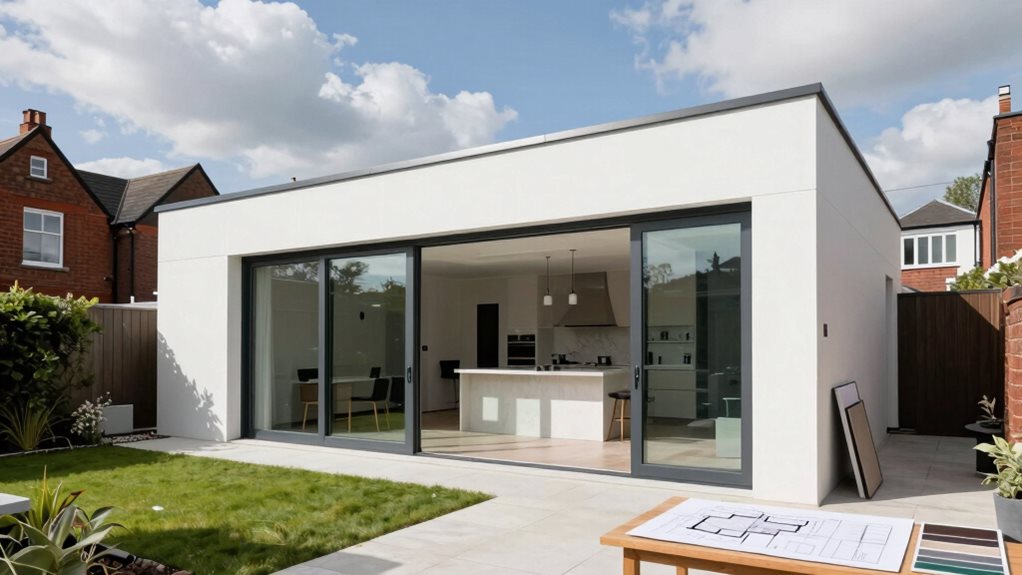
Once you’ve decided to invest in a single storey extension, thoughtful design becomes the critical foundation for maximizing both value and functionality.
You’ll need to balance current design trends with practical considerations that support your lifestyle. Modern functional layouts prioritize open-plan spaces with multiple uses, while guaranteeing natural light penetrates deep into your home.
When planning your extension, consider how you’ll actually use the space day-to-day rather than focusing solely on aesthetics.
Position windows strategically to capture available light and incorporate storage solutions from the outset.
Remember that well-designed extensions should feel like natural additions to your existing property, not awkward afterthoughts.
Consulting with experienced Manchester builders who understand local architectural styles will help you achieve this seamless integration while maneuvering through the city’s specific planning requirements.
When initiating your single-storey extension adventure, you’ll need to steer through potential planning permission hurdles that can delay or derail your project before it begins.
Budget overruns often occur when specifications change mid-project or when unforeseen structural issues emerge, so establish a contingency fund of at least 10-15% beyond your initial estimates.
Clear communication with your contractor is paramount—establish regular meeting schedules, document all decisions in writing, and don’t hesitate to ask questions if something seems unclear.
Despite appearing straightforward, planning permission can become one of the most challenging hurdles you’ll face when building a single storey extension.
Manchester’s local authority requirements can vary greatly from national guidelines, and many homeowners encounter unexpected obstacles.
Common planning permission pitfalls include:
You’ll need to factor these potential delays into your project timeline.
Consider engaging a planning consultant if your property has any unusual characteristics or if you’re in a conservation area—this investment can save you considerable time and frustration later.
Financial surprises represent the most common nightmare for homeowners undertaking a single storey extension in Manchester.
You’ll likely encounter unexpected costs that weren’t factored into your initial budget, from discovering hidden structural issues to sudden price increases in building materials.
Effective budget management requires creating a contingency fund of 15-20% above your quoted price.
Don’t be tempted to allocate every penny upfront.
When selecting builders, prioritize those who provide detailed, transparent quotes rather than suspiciously low estimates that inevitably lead to “additional charges.”
Request regular financial updates throughout your project and address cost concerns immediately.
Consider phasing your extension if necessary—completing structural work first, then finishing interiors when finances recover.
Remember that cutting corners to save money often leads to costly repairs later, undermining your extension’s value and quality.
Poor communication stands as another substantial hurdle that can derail your Manchester extension project, often causing as much damage as budget issues.
When contractor expectations aren’t clearly established from the outset, misunderstandings multiply exponentially, leading to frustration and costly delays.
To maintain effective communication throughout your extension build:
When commencing your single-storey extension expedition, one of the most important decisions you’ll face is whether to manage the project yourself or hire a full-service contractor.
Embarking on your extension journey requires deciding whether you’ll captain the project or enlist a professional navigator.
Self-management strategies require you to coordinate tradespeople, schedule deliveries, and guarantee compliance with building regulations—potentially saving 15-20% on costs but demanding considerable time investment and construction knowledge.
Contractor responsibilities, on the other hand, encompass everything from initial design to final inspections.
You’ll pay a premium for this convenience, but you’ll gain expert oversight and a single point of contact throughout the process. The contractor handles unexpected complications, guides permit requirements, and maintains quality control across all aspects of your extension.
Your choice should reflect your available time, budget constraints, and construction expertise.
Throughout Manchester’s diverse neighborhoods, remarkable single-storey extensions have transformed ordinary homes into extraordinary living spaces while adding substantial value to properties.
Our case studies reveal the most successful projects combine thoughtful planning with innovative execution.
Consider these transformative examples we’ve documented:
You’ll notice each project addressed specific challenges while maximizing light, space, and functionality—three elements consistently prioritized by Manchester homeowners seeking extensions that truly improve their lifestyle.
Your extension expedition, like Manchester’s iconic worker bee, transforms your home through industrious purpose and vision. You’ll maneuver planning hurdles, builder selection, and budget challenges—but the result stands as your personal architectural statement. Whether you’re expanding for growing family needs or creating a light-filled sanctuary, your single-storey extension isn’t just additional square footage; it’s the physical manifestation of your home’s evolution in Manchester’s ever-changing urban scenery.