Phone:
(701)814-6992
Physical address:
6296 Donnelly Plaza
Ratkeville, Bahamas.

Phone:
(701)814-6992
Physical address:
6296 Donnelly Plaza
Ratkeville, Bahamas.
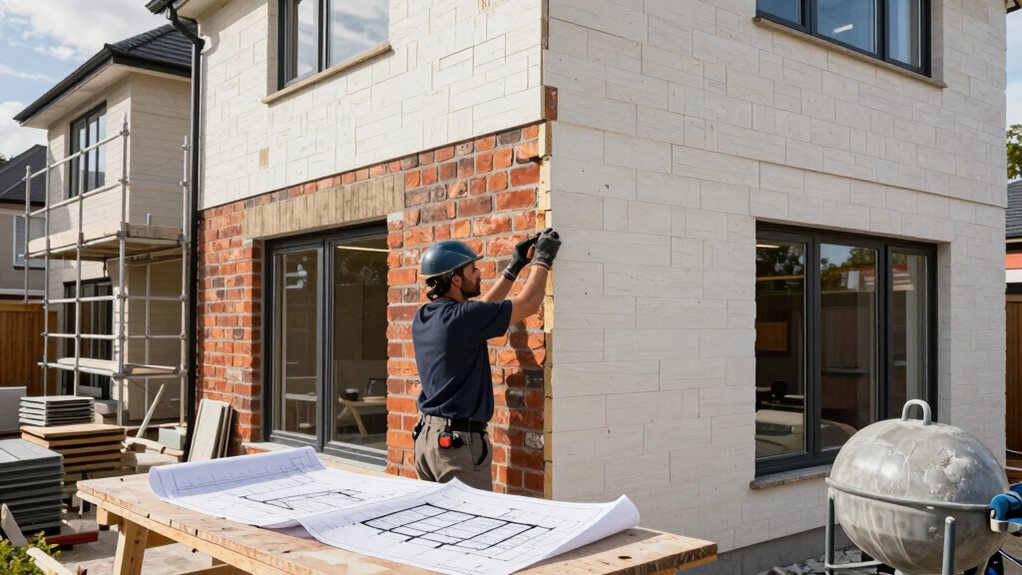
Unlock your home's potential with our comprehensive extension guide that reveals secrets most homeowners overlook.
Successful home extensions begin with defining your vision and evaluating property constraints, followed by establishing a realistic budget with contingency funds. You’ll need to secure qualified design professionals, steer through planning permissions, and vet reliable contractors before managing the construction phase. Throughout the project, maintain clear communication and documentation while preparing for the finishing touches that transform your construction project into a seamless part of your home. The complete guide will equip you with every tool needed for your transformation expedition.
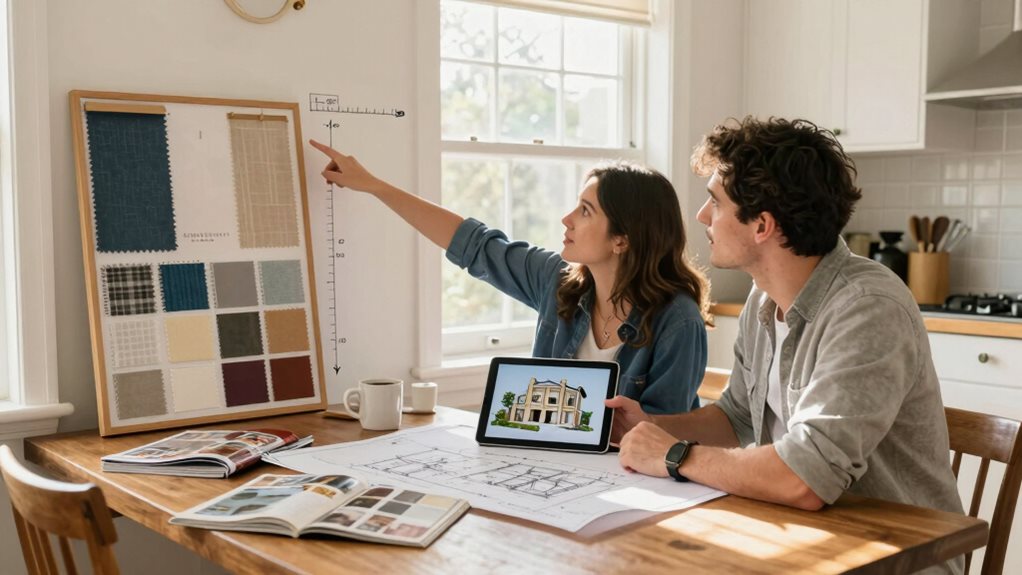
The first critical step in any successful house extension project involves clearly defining what you’re trying to achieve. Before contacting architects or builders, take time to identify your core motivations. Are you adding space for a growing family, creating a home office, or improving your property’s value? Your purpose considerations will greatly influence design decisions.
Research various extension styles that might align with your vision—from contemporary glass additions to traditional extensions that match your existing architecture. Create a scrapbook of inspirational images, noting specific elements you’re drawn to.
Consider seasonal factors, like maximizing natural light in winter or providing shade during summer months. By thoroughly exploring your needs and preferences early on, you’ll establish a clear framework that guides every subsequent decision, ultimately saving time and reducing stress throughout your extension process. Additionally, understanding the planning permission requirements is essential to ensure your project moves forward without legal issues.
With your vision and goals clearly established, it’s time to evaluate what your current property can actually support.
Begin with a thorough property assessment, examining your home’s existing structure, available space, and architectural style to determine viable extension options. You’ll need to identify load-bearing walls, foundation capacity, and potential obstacles like underground utilities.
Before drawing plans, understand what your structure can support—its bones will determine your extension’s possibilities.
Next, research local zoning regulations that will directly impact your project. These rules dictate setbacks (required distances from property lines), height restrictions, and maximum lot coverage.
Don’t overlook conservation areas, historical designations, or restrictive covenants that might apply to your property.
Contact your local planning department early to understand permit requirements and potential limitations. This preliminary groundwork might seem tedious, but it prevents costly redesigns and guarantees your extension plans are realistic from the outset.
Once you’ve assessed your property’s potential, creating a thorough budget becomes your crucial next step in the expansion process.
You’ll need to account for materials, labor, permits, and contingencies—typically adding 15-20% to your estimated costs for unexpected expenses that invariably arise during construction.
Effective budgeting strategies involve obtaining multiple quotes from contractors, pricing materials from different suppliers, and distinguishing between vital features and optional upgrades.
Don’t overlook the importance of comparing financing options, which might include home equity loans, renovation mortgages, or personal savings. Each carries different interest rates, terms, and tax implications that could greatly impact your long-term financial position.
Remember that the cheapest quote isn’t always the best value—prioritize contractors with solid references and clear communication skills who can help you achieve your vision without costly surprises.

Finding the right design professional represents perhaps the most critical decision you’ll make during your extension quest, as this relationship will shape every aspect of your project’s success.
Choosing your design partner wisely determines whether your extension becomes a masterpiece or a misadventure.
When selecting from available design professionals, prioritize those who demonstrate both technical expertise and collaborative communication skills.
During your project collaboration expedition, consider these key qualities:
Don’t rush this selection process—schedule consultations with multiple candidates and trust your instincts about who you’ll work most comfortably with during the inevitable challenges ahead.
Although many homeowners dream of simply breaking ground on their extension projects, successful implementation requires careful navigation through the complex maze of planning permissions and building regulations that govern residential construction.
You’ll need to research your property’s planning zones early, as these dictate what you can and can’t build without formal approval.
Start by checking with your local authority about permitted development rights—these allow certain projects to proceed without full planning permission. However, you’ll still need to comply with building codes regardless of whether planning permission is required.
Consider hiring a planning consultant if your property is in a conservation area or listed building status applies.
Remember that building regulations address structural integrity, fire safety, and energy efficiency standards that all extensions must meet.
The materials and architectural details you select for your extension will define both its aesthetic appeal and long-term performance. When making these essential decisions, consider material durability alongside architectural aesthetics to guarantee your investment stands the test of time while complementing your existing home.
You’ll need to balance practicality with style throughout this process.
Don’t hesitate to request material samples before making final decisions—they’ll help you visualize the completed project.
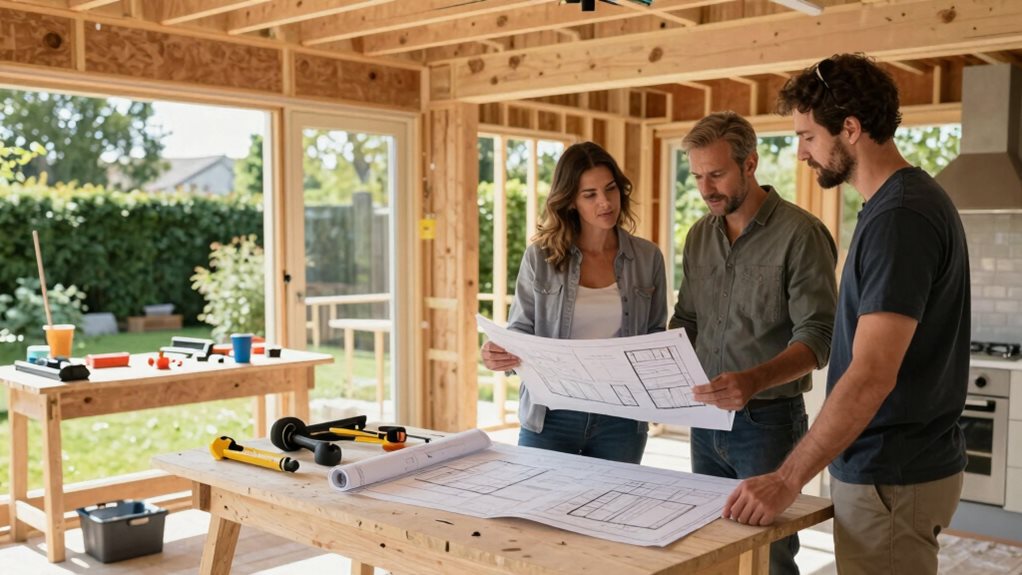
Once your extension plans are finalized, selecting the right contractor becomes your most critical decision point—one that will determine whether your project finishes on time, within budget, and to your expected quality standards.
Don’t rush this process; thorough vetting now prevents headaches later.
Take the time for proper contractor vetting—it’s an investment that prevents costly mistakes and disappointments down the line.
Begin by collecting recommendations from trusted sources and researching online reviews. Create a shortlist of at least three contractors with verifiable experience in residential extensions.
When you meet them, prepare specific interview questions about their contractor qualifications, including licensing, insurance coverage, and previous extension projects.
Request detailed written quotes and always check references—call previous clients and, if possible, visit completed projects.
Remember that the lowest bid isn’t always the best choice; consider value, communication style, and the contractor’s understanding of your vision.
Successfully steering your extension project’s construction phase requires proactive oversight and clear communication from day one.
Effective site management means establishing expectations early while maintaining flexibility for inevitable challenges. You’ll need to balance monitoring progress against your construction timelines without micromanaging your contractors.
Create a structured approach by:
Once you’ve completed the major construction work, it’s time to transform your extension from a mere structure into a fully integrated part of your home through thoughtful decoration, thorough inspections, and practical adjustments.
You’ll want to create a detailed checklist covering everything from paint touch-ups and fixture installations to making sure all building regulations have been satisfied.
Living with your new extension might require a period of adaptation, as you’ll discover how the space functions throughout different seasons and how it affects your daily routines and energy consumption.
After completing the structural work on your extension, you’ll face the exciting challenge of transforming this blank canvas into a living, breathing part of your home.
Consider your color schemes carefully, as they’ll set the tone for the entire space. Experiment with furniture arrangement to maximize both functionality and flow between your existing home and the new addition.
When decorating, focus on these key elements:
Take your time with these decisions—they’re what’ll truly make your extension feel integrated with the rest of your home.
Before you officially declare your extension project complete, your attention to detail during the final inspection phase will determine how well the new space serves your needs for years to come.
Create a thorough checklist that addresses both aesthetic and functional elements of your extension.
Your final inspection should include verifying that all electrical outlets work properly, plumbing fixtures function without leaks, and heating/cooling systems operate efficiently.
Don’t overlook checklist items like paint touch-ups, proper door and window operation, and floor finishing quality.
Walk through the space at different times of day to assess lighting effectiveness and temperature regulation.
Document any issues that require contractor attention before making your final payment, making sure you’ll enjoy your beautifully extended home without lingering concerns.
The change from construction site to livable space marks an important milestone in your extension voyage, though it doesn’t necessarily signal the end of your project.
As you adapt to new living arrangements, you’ll discover both anticipated and unexpected extension benefits that transform your daily routines.
Consider these finishing touches to maximize your extended space:
Take time to evaluate how the completed extension meets your original goals.
You might discover it exceeds expectations in ways you hadn’t imagined, providing functionality beyond your initial vision.
You’ve now transformed your once-cramped living space into a sunlit sanctuary that breathes with your family’s unique rhythm. As you stand in your completed extension, walls still carrying the faint scent of fresh paint, you’ll realize this adventure wasn’t just about adding square footage—it was about expanding possibilities. This new chapter awaits your footprints, laughter, and countless memories that’ll imprint themselves into every corner you’ve thoughtfully created.